
Why Homeowners Invest in Personalized Wine Cellar Spaces Today
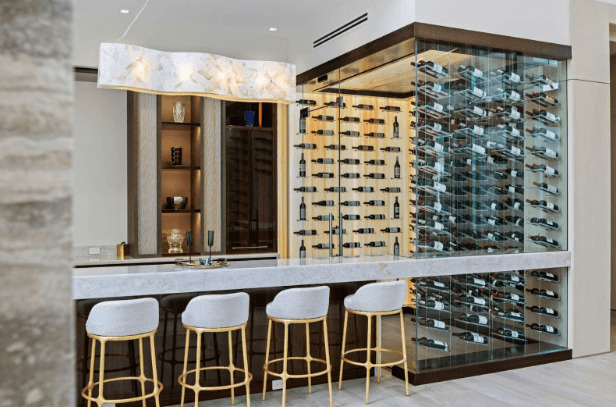
A forgotten corner of the house can become the most admired space
Basements often begin as storage areas nobody is excited to visit. Boxes pile up. Holiday decorations disappear into corners. Old furniture waits there for years with no real purpose. Then something changes once homeowners start thinking differently about unused space. Instead of hiding the room behind a closed door, they begin turning it into something warm, organized, and deeply personal. Wine cellars have become part storage solution and part lifestyle feature, especially for homeowners who want their spaces to feel more intentional and visually connected to the rest of the house.
Modern home layouts now feel more refined when rooms are designed around custom wine cellar design in New Jersey concepts that combine storage, style, and comfort in one carefully planned space. This guide explains how personalized cellar design improves organization, what details create a better experience, and why thoughtful planning matters before starting a project. Some homeowners assume wine cellars belong only in huge luxury homes. That idea has changed quickly over the last few years. Smaller spaces now support beautiful custom layouts without feeling excessive or impractical. A well-designed cellar does more than store bottles. It changes how people use and enjoy a part of the home that once felt completely ignored. Funny enough, guests often end up talking about the cellar longer than they do about the actual dinner upstairs.
Why custom layouts feel more useful than standard storage setups
Standard wine racks usually solve only one problem at a time. They hold bottles, but they rarely improve the room itself. Custom layouts work differently because they consider storage, lighting, accessibility, and design together from the beginning. That creates a space that feels intentional instead of temporary. Homeowners gain better organization while making the room more visually balanced.
Custom cellar spaces also adapt better to different collection sizes and room dimensions. Every home has different layout challenges, so flexibility matters during planning. Important benefits often include:
• Better use of available wall space
• Easier bottle organization and access
• Improved visual flow throughout the room
• Flexible storage for future collection growth
• More cohesive interior design overall
Personalized layouts help avoid overcrowded storage systems that become frustrating later. Organized bottle placement also makes collections easier to manage over time. Some homeowners even discover they enjoy hosting more often once the cellar becomes part of the home’s atmosphere. Honestly, people naturally gather in spaces that feel thoughtfully designed instead of randomly assembled.
How to plan a cellar space that feels warm and balanced
A successful wine cellar should feel comfortable long before the first bottle goes on display. Many homeowners focus heavily on storage numbers while overlooking atmosphere and movement inside the room. A balanced design combines practical function with comfort so the space remains inviting over time. Nobody enjoys squeezing through narrow walkways while carrying expensive bottles.
1. Focus on room flow first
Easy movement improves the experience immediately. Tight layouts make the space feel smaller than it actually is.
2. Match storage with collection habits
Some collectors prefer display sections, while others need larger bulk storage. Planning around habits creates better long-term results.
3. Use lighting carefully
Soft lighting helps highlight the collection without making the room feel harsh or overly bright.
4. Leave room for growth
Wine collections often expand faster than expected. Extra storage space prevents future redesign headaches.
Balanced planning creates a cellar that feels both practical and visually relaxing. Small layout choices often improve daily use more than expensive upgrades. Homeowners usually appreciate thoughtful organization long after construction finishes. Funny enough, a little empty shelf space today somehow disappears completely within a year.
What design details create a more inviting wine cellar atmosphere
Atmosphere plays a major role in how a wine cellar feels during everyday use. Temperature matters, of course, but visual warmth matters too. Materials like wood, glass, and soft lighting help transform storage areas into welcoming spaces. The room begins to feel connected to the home’s personality rather than functioning as a hidden utility area.
Carefully selected details also improve how homeowners interact with the space. Important design elements often include:
• Warm wood finishes and textures
• Organized display sections for featured bottles
• Comfortable lighting placement throughout the room
• Balanced storage without visual clutter
Many modern cellars now blend traditional wine storage with contemporary interior design. That combination creates rooms homeowners actually enjoy spending time in rather than simply visiting for a bottle pickup. Guests notice those details too. Let’s be honest, people tend to remember spaces that feel calm, organized, and thoughtfully designed. A cellar should create that feeling naturally without trying too hard.
Where thoughtful cellar design creates lasting everyday enjoyment
Wine storage becomes much more rewarding when the room supports comfort, organization, and visual balance. A personalized cellar helps homeowners manage collections more easily while creating a stronger connection between storage and home design. The result feels less like a storage room and more like an intentional part of everyday living.
As modern homes continue to evolve toward more personalized spaces, thoughtfully designed wine cellars remain among the most flexible and visually rewarding additions homeowners can create. We continue seeing how smart layouts, balanced materials, and customized storage solutions improve both function and atmosphere over time. Careful planning today can transform an overlooked space into one of the most memorable areas in the entire home. Sometimes the best rooms are the ones people never expected to use so often in the first place.


