
Storm Shelters Weather Safety
Storm Shelters Weather Safety In the ever-changing dance of nature, where tempests can arise unexpectedly, the importance of Storm Shelters Weather Safety becomes paramount. In this comprehensive guide, we embark on a journey to explore the nuances of Underground Storm Shelters for Sale, unravel the art of How to Choose a Weather-Safe Shelter, glean insights from the Best Storm Shelter Construction Tips, and connect with local expertise through Local Weather Safety Shelter Providers. Let’s delve into the intricacies of creating sanctuaries that stand resilient against the tempest’s fury.
Underground Storm Shelters for Sale: Fortifying Resilience Below the Surface

The subterranean realm of storm shelters provides a secure haven when nature unleashes its full force. Let’s explore a curated selection of Underground Storm Shelters for Sale, each crafted to stand resilient against the tempest’s might.
1. Steel-Clad Sanctuaries: Unyielding Strength Below Ground
Embrace the robust protection of steel-clad underground storm shelters. These shelters, often constructed with reinforced steel walls and doors, offer unparalleled strength and durability, making them a stalwart defense against the ferocity of storms.
2. Concrete Bunkers: The Solidity of Structure
Concrete bunkers epitomize the solidity of structure. Crafted with reinforced concrete walls, these underground shelters provide a secure retreat, capable of withstanding the forces of wind and debris during intense storms.
3. Fiberglass Refuge: Lightweight Resilience
Opt for the lightweight resilience of fiberglass storm shelters. These shelters, composed of durable fiberglass materials, provide a sturdy and corrosion-resistant option, ensuring longevity without compromising on safety.
4. Slope Front Shelters: Minimizing Impact, Maximizing Safety
Slope front shelters are designed to minimize the impact of debris and soil, maximizing safety during storms. The inclined entrance reduces the risk of debris accumulation, offering a pragmatic solution for those seeking enhanced protection.
How to Choose a Weather-Safe Shelter: A Strategic Approach

Choosing a weather-safe shelter involves a strategic approach that considers various factors to ensure optimal protection. Let’s navigate through the key considerations and unveil How to Choose a Weather-Safe Shelter with precision.
1. Location Analysis
Conduct a thorough analysis of your location to understand the specific weather risks. Consider factors such as prevailing storm types, frequency, and historical patterns to tailor your shelter choice to the local climate.
2. Occupancy Capacity
Evaluate the occupancy capacity of the shelter to accommodate your household or community. Ensure that the chosen shelter provides adequate space for all potential users, allowing for comfort during extended stays.
3. Material Durability
Assess the durability of shelter materials, considering the resilience of options such as steel, concrete, and fiberglass. Opt for materials that withstand not only the direct impact of storms but also potential corrosion or deterioration over time.
4. Installation Accessibility
Consider the accessibility of the shelter’s installation. Underground shelters often require specialized installation procedures, including excavation and proper anchoring. Ensure that the installation process aligns with your property’s layout and local regulations.
5. Ventilation and Amenities
Prioritize shelters with adequate ventilation systems and essential amenities. Proper ventilation ensures a continuous supply of fresh air, while amenities such as seating and lighting contribute to the comfort and functionality of the shelter.
Best Storm Shelter Construction Tips: Building Fortresses of Safety

Crafting a storm shelter is an art that combines structural integrity with thoughtful design. Explore the Best Storm Shelter Construction Tips to ensure that your fortress of safety stands resilient in the face of storms.
1. Professional Consultation
Engage with professional shelter designers and engineers for expert consultation. Their insights can guide you in choosing the optimal shelter type, location, and construction methods tailored to your specific needs.
2. Reinforced Entry Points
Reinforce entry points, including doors and hatches, to withstand high winds and debris impact. Consider features such as multiple locking mechanisms and impact-resistant materials to enhance the shelter’s overall robustness.
3. Proper Drainage Design
Incorporate proper drainage design to prevent water ingress during heavy rainfall. Adequate drainage ensures that the shelter remains dry and habitable, mitigating the risk of flooding during storms.
4. Quality Construction Materials
Invest in high-quality construction materials to ensure the longevity and resilience of the shelter. Quality materials contribute to the shelter’s structural integrity and its ability to endure the test of time and weather.
5. Compliance with Safety Standards
Adhere to safety standards and building codes applicable to storm shelter construction. Compliance ensures that your shelter meets regulatory requirements, providing peace of mind regarding its structural soundness and safety features.
Local Weather Safety Shelter Providers: Bridging Expertise to Communities
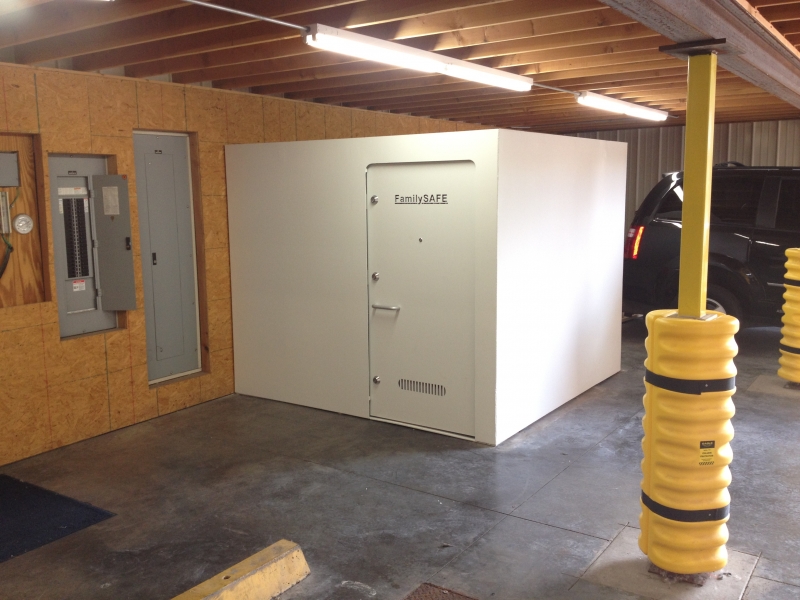
Connecting with local expertise is a pivotal step in fortifying communities against the unpredictable forces of nature. Discover the benefits of engaging with Local Weather Safety Shelter Providers and how their expertise can be a bridge to enhanced safety.
1. Regional Understanding
Local shelter providers possess a deep understanding of regional weather patterns and challenges. Their knowledge allows them to recommend shelters that align with the specific needs of your community.
2. Swift Response
Local providers offer a swift response, particularly crucial in emergency situations. Their proximity enables quick assessments, installations, and support, ensuring that communities can promptly access safe havens when needed.
3. Customized Solutions
Tailoring solutions to local conditions is a hallmark of local weather safety shelter providers. They can customize shelter designs and construction methods to address the unique challenges posed by the local climate and topography.
4. Community Engagement
Engaging with local providers fosters community resilience. These providers often conduct educational initiatives, training sessions, and community drills to enhance awareness and preparedness, creating a cohesive and well-informed community.
Denouement: Storm Shelters Weather Safety
In the tapestry of weather safety, storm shelters weather safety emerge as threads of resilience, weaving a narrative of protection and preparedness. Whether you opt for the strength of steel, the solidity of concrete, or the lightweight durability of fiberglass, the choice to invest in an Underground Storm Shelter for Sale is a commitment to safeguarding what matters most.
As you navigate the seas of uncertainty, armed with the knowledge of How to Choose a Weather-Safe Shelter and guided by the Best Storm Shelter Construction Tips, may your journey be one of confidence and security. Engage with Local Weather Safety Shelter Providers as community anchors, bridging expertise to fortify neighborhoods against the capricious whims of the weather.
In the face of storms, let your shelter be a testament to resilience, a sanctuary where safety and serenity coexist, ensuring that, even in the tempest’s fury, you stand anchored and unyielding.


